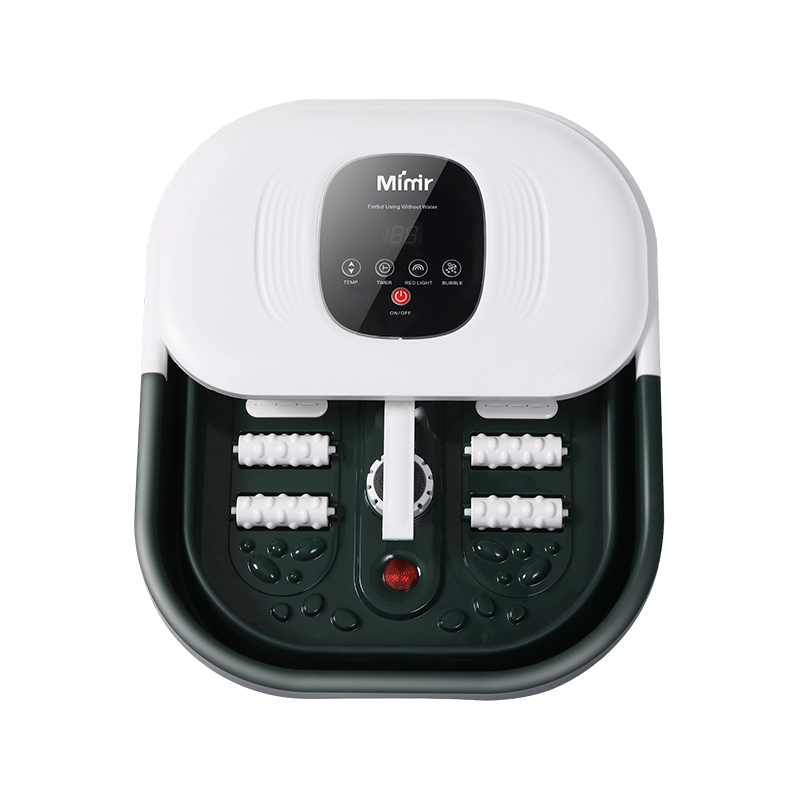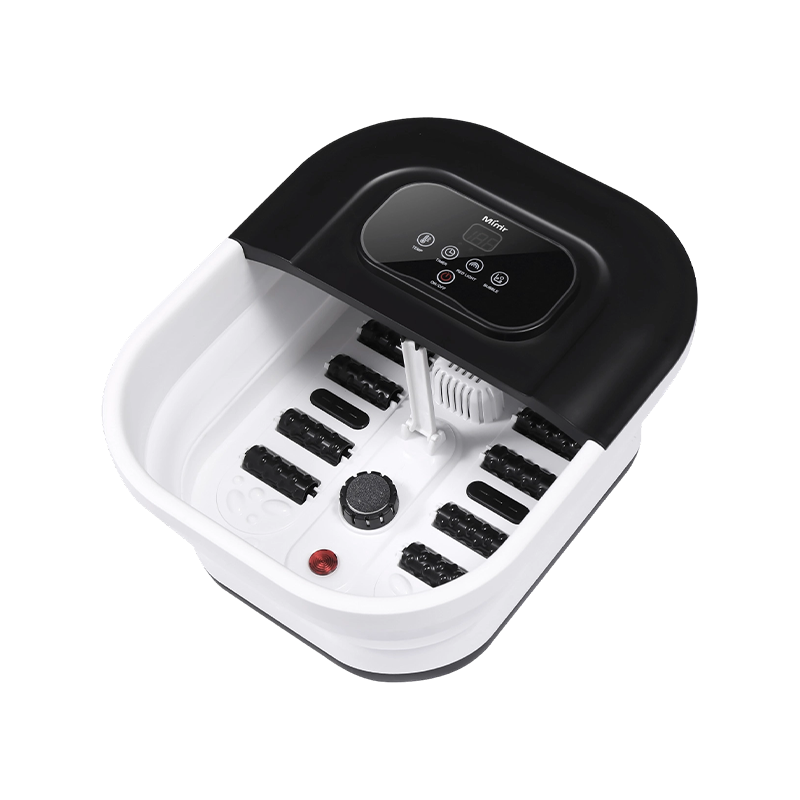
What a Foot Spa Machine Actually Does for You
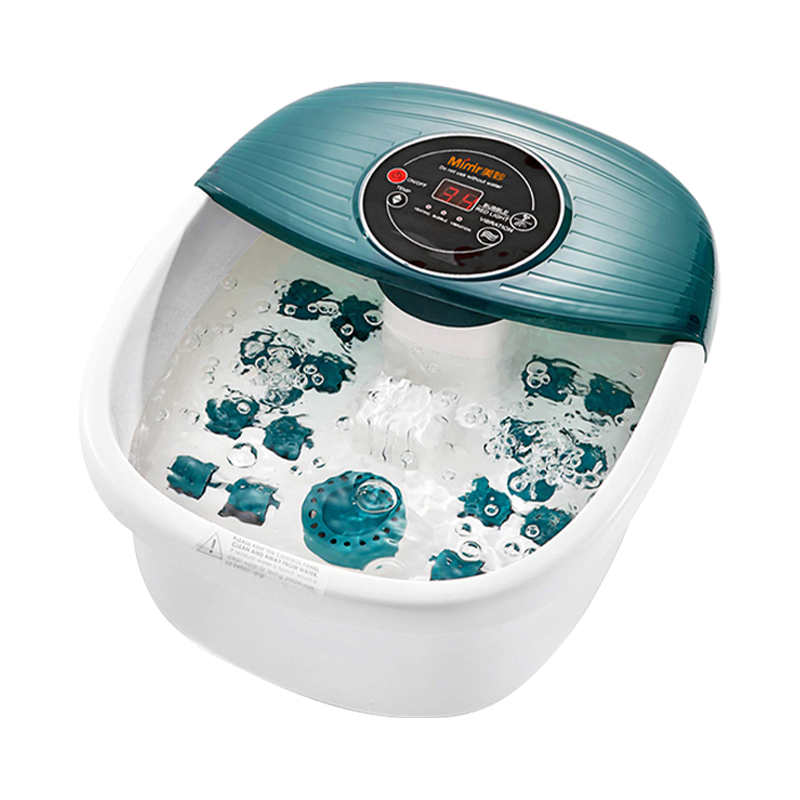
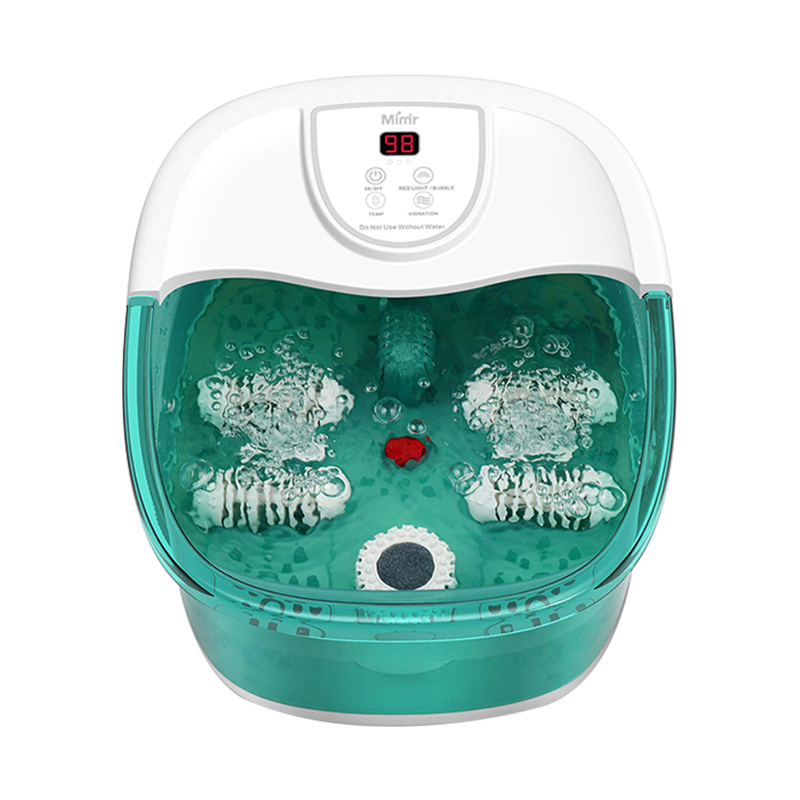
A foot spa machine is a home basin device that soaks, massages, and often heats your feet simultaneously — delivering targeted relief to one of the most overworked and underloved parts of the body. The best foot spa massagers combine warm water, motorized rollers, water jets, and vibration to replicate the core benefits of a professional pedicure soak in 15–20 minutes at home.
Beyond comfort, there's genuine physiological value here. Soaking feet in warm water at 100–108°F (38–42°C) dilates blood vessels, improves local circulation, and relaxes the plantar fascia — the connective tissue responsible for most heel pain. Add motorized massage nodes and the effect extends to the muscles of the arch and sole. For people who stand for long hours, deal with foot fatigue, or simply want a reliable wind-down ritual, a foot spa massager is one of the more practical wellness purchases available.
Types of Foot Spa Machines and How They Differ
Not all foot spas work the same way. The features built into the basin determine what kind of relief you actually get:
Basic Soak Basins
These are the entry-level option — a heated basin with no moving parts. Water is warmed to a set temperature and held there. They're inexpensive ($20–$40) and effective for softening calluses and relaxing tired feet, but they offer no active massage. Suitable for people who mainly want to prep feet for scrubbing and nail care.
Bubble Jet / Vibration Foot Spas
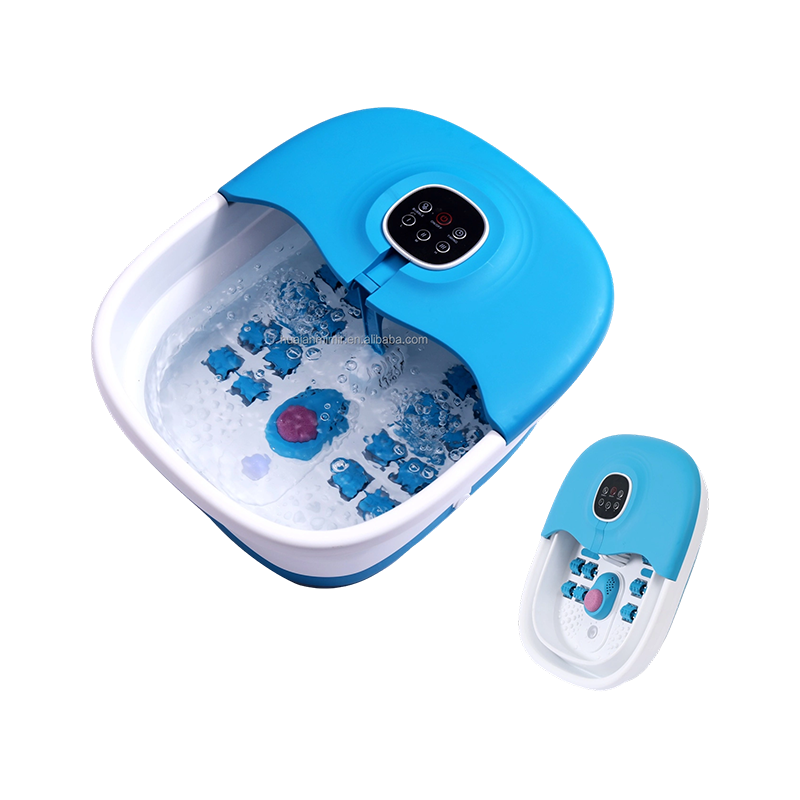
A step up, these units use a motorized pump to circulate water or produce bubbles that create a gentle massaging sensation across the whole foot. Vibration models use a motor in the basin floor to create oscillating movement. These cost roughly $30–$70 and are good for general relaxation and mild swelling relief.
Motorized Roller Foot Spa Massagers
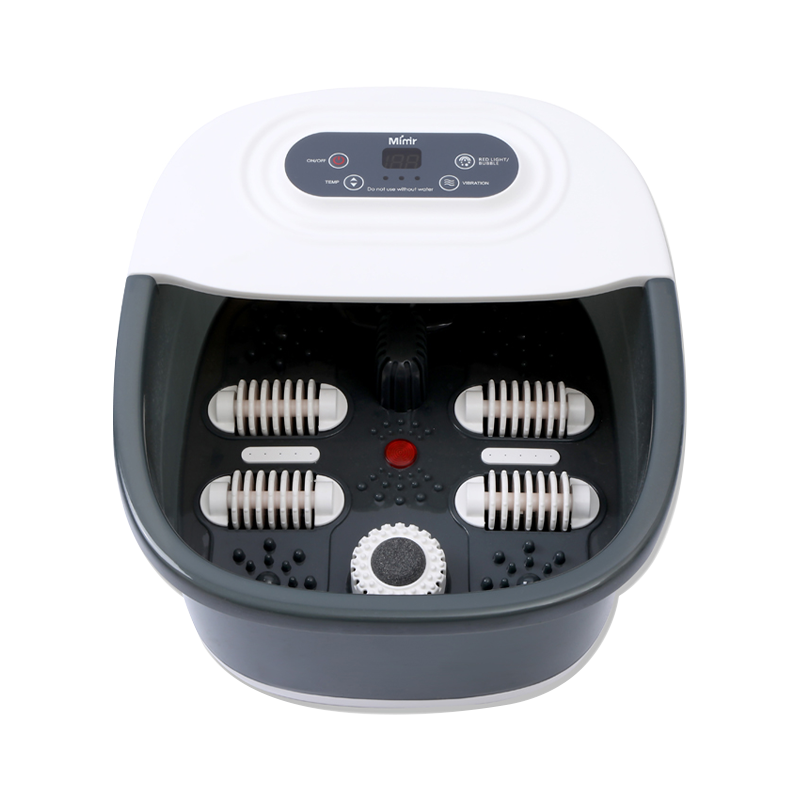
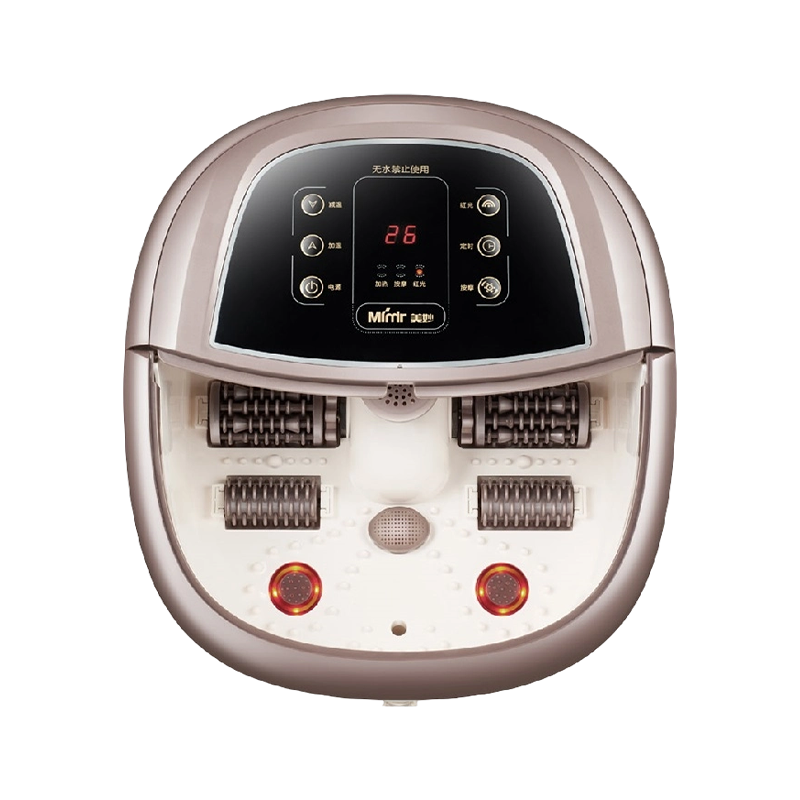
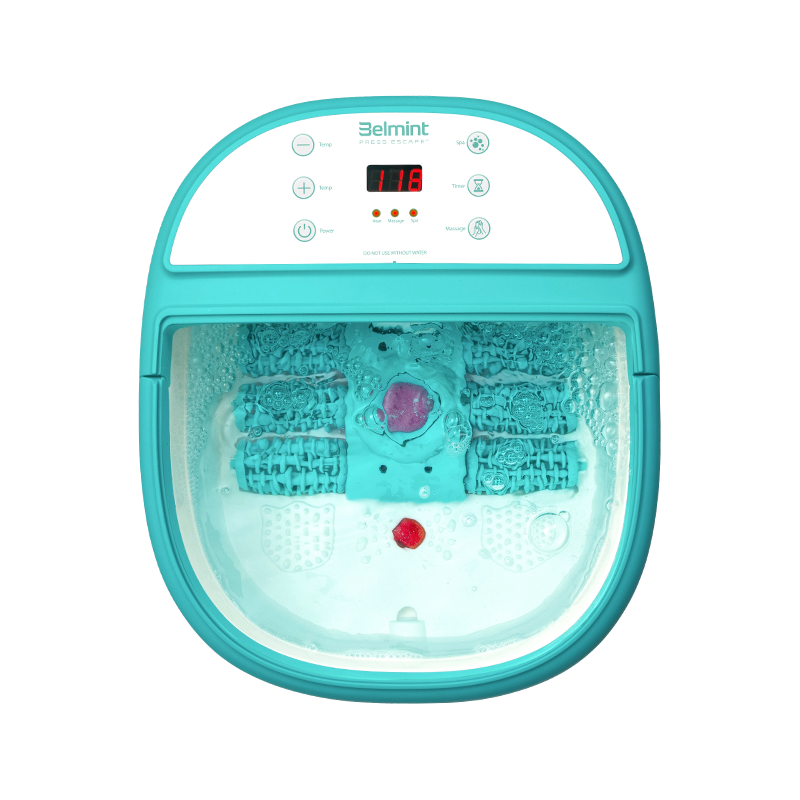
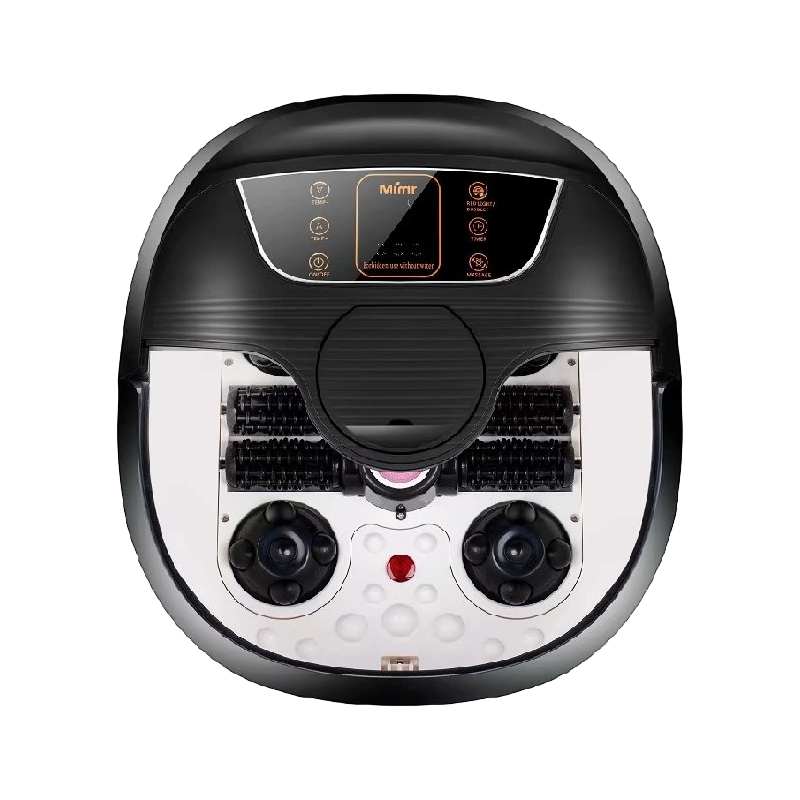
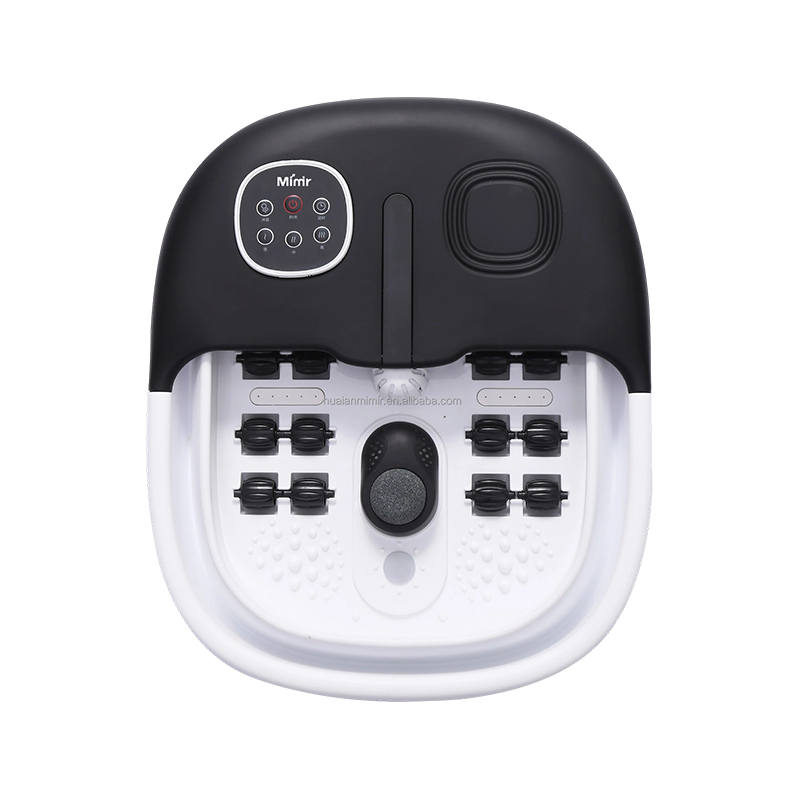
The most capable category for home use. These feature rotating massage nodes or textured rollers built into the basin floor that you press your foot against for targeted pressure. Many models combine rollers with heat and bubbles. Prices range from $50 to $150 , and this is where most buyers who want genuine massage — not just a warm soak — should focus their search.
Dry Electric Foot Massagers
Technically a separate category, but often searched alongside foot spas. These are waterless devices — often resembling slippers or flat pads — that use air compression, shiatsu nodes, or vibration to massage the foot without water. They're convenient for use anywhere and can target specific pressure points more precisely than water-based units, though they don't provide the skin-softening or circulation benefits of a warm soak.
Key Features to Compare Before You Buy
With dozens of foot spa machines on the market, the differences between models come down to a handful of features that meaningfully affect the experience:
| Feature | What to Look For | Why It Matters |
|---|---|---|
| Heating | Active heating, not just heat retention | Passive models let water cool quickly; active heating maintains temp throughout the session |
| Temperature range | 100–118°F (38–48°C) adjustable | Lets you customize warmth; critical for people with circulation sensitivity |
| Basin depth | At least 6 inches (15 cm) | Shallow basins leave the ankle and lower calf out of the soak entirely |
| Massage mechanism | Motorized rollers bubbles (ideally both) | Rollers target specific points; bubbles provide all-over stimulation |
| Removable attachments | Pumice stone, brush, or massage nodes | Extends versatility; allows callus removal and scrubbing during same session |
| Drainage system | Built-in drain valve or hose | Carrying a full basin to drain it is awkward and a spill risk |
| Noise level | Under 50 dB for roller models | Loud motors undermine the relaxation you're trying to achieve |
The Real Benefits of Regular Foot Spa Use
The benefits of a foot spa massager aren't just anecdotal. Several well-documented physiological effects make regular use worthwhile:
Improved Circulation
Warm water immersion causes vasodilation — the widening of blood vessels — which increases blood flow to the feet and lower legs. A study published in the Journal of Physiological Anthropology found that foot bathing in warm water significantly increased skin blood flow and reduced peripheral vascular resistance. For people who sit at a desk all day or have mild circulation issues, this effect is meaningful and cumulative with regular sessions.
Plantar Fascia Relief
Plantar fasciitis affects roughly 1 in 10 people at some point in their lives, and warm soaking is one of the most consistently recommended home treatments for managing it. Heat loosens the plantar fascia, reducing morning stiffness and the sharp heel pain characteristic of the condition. Pairing a warm soak with gentle roller massage directly along the arch can provide meaningful short-term relief.
Stress and Cortisol Reduction
Foot massage has been studied as a tool for reducing anxiety in clinical settings. A 2018 review in the journal EXPLORE found that reflexology and foot massage reliably reduced self-reported anxiety and, in several studies, measurably lowered cortisol levels. A 15-minute evening foot spa session is a low-effort, drug-free way to shift the nervous system toward a parasympathetic (rest-and-digest) state before sleep.
Edema and Swelling Reduction
People who experience foot and ankle swelling from prolonged standing, pregnancy, or mild lymphatic issues often find warm foot soaks with jet or bubble action helpful. The hydrostatic pressure of water against the skin provides gentle compression, while the improved circulation helps move fluid away from the extremities. Note: severe or persistent edema should be evaluated by a physician before relying on a foot spa as treatment.
Better Sleep Quality
Warming the feet before bed accelerates the body's natural core temperature drop that triggers sleep onset. Research has found that warming the extremities can reduce sleep latency (the time it takes to fall asleep) by up to 15 minutes . A 20-minute foot spa session 30–60 minutes before bed leverages this mechanism directly.
How to Get the Most from Each Session
Using a foot spa machine correctly makes a noticeable difference in the results you get. A few practices consistently improve the experience:
- Set water temperature between 100–105°F (38–40°C) for most sessions. Higher temperatures may feel more intense but can stress the skin and are not suitable for people with diabetes or neuropathy.
- Add Epsom salt (1–2 tablespoons per gallon) to increase the soothing effect. Magnesium sulfate absorbs through the skin and may help relax muscle tension, though the warm water itself does most of the work.
- Use a few drops of essential oil — peppermint for a cooling, refreshing effect; lavender for relaxation; eucalyptus for congestion relief. Avoid oils that can degrade plastic components.
- Soak for 15–20 minutes , not longer. Extended soaking can over-soften the skin and actually increase the risk of cracking when dry skin becomes fragile.
- Apply moisturizer immediately after drying while the skin's pores are still open. This is the optimal window for deep hydration — urea-based creams work particularly well on callus-prone areas.
- Use the pumice stone or scrub attachment after 10 minutes of soaking, once calluses have had time to soften — not at the start of the session.
Who Should Avoid Foot Spa Machines
Foot spa massagers are safe for most adults, but certain conditions call for caution or medical consultation before use:
- Diabetes with peripheral neuropathy: Reduced sensation in the feet means you may not feel if water is dangerously hot, raising the risk of burns. People with diabetes should use water no hotter than 98°F (37°C) and always test temperature with a thermometer, not by feel.
- Open wounds, sores, or active infections: Soaking an open wound promotes bacterial growth and can worsen infection. Athlete's foot or nail fungus can also contaminate the basin and reinfect treated areas.
- Varicose veins or deep vein thrombosis (DVT): Heat can worsen varicose vein symptoms; DVT requires immediate medical attention and foot massage should be avoided until cleared by a doctor.
- Pregnancy (third trimester): Stimulation of certain pressure points during vigorous foot massage has traditionally been flagged as a concern; consult an OB before regular use.
- Heart conditions or low blood pressure: Vasodilation from warm water can cause a temporary drop in blood pressure, leading to dizziness when standing up after a session.
Keeping Your Foot Spa Clean and Safe
A foot spa basin that isn't cleaned properly between uses can harbor bacteria and fungi — defeating the purpose of a hygiene-focused routine. Here's the minimum maintenance that keeps a foot spa machine sanitary:
- Empty and rinse the basin immediately after each use — don't leave standing water.
- Wipe down all interior surfaces with a solution of 1 tablespoon white vinegar per quart of water , or a diluted antibacterial cleaner.
- Remove and clean all attachments (rollers, brushes, pumice stones) separately; allow to air dry fully before reattaching.
- Once a week, run a full cleaning cycle with a mixture of warm water and a capful of white vinegar for 5–10 minutes to flush the jet and pump mechanisms.
- Store in a dry location — a damp cabinet accelerates mold growth in the motor housing and around seals.
Shared household foot spas should be cleaned between users, particularly if one person is treating a fungal condition. A 10-minute soak with a diluted bleach solution (1 teaspoon per gallon) followed by a thorough rinse is the most reliable sanitization method.
What to Expect at Different Price Points
Foot spa machines span a wide price range, and the differences between tiers are real rather than just cosmetic:
| Price Range | Typical Features | Best For |
|---|---|---|
| $20–$40 | Passive heat retention, basic bubbles | Occasional soaking, callus prep, budget buyers |
| $40–$80 | Active heating, vibration or jets, basic rollers | Regular use, general fatigue relief, most households |
| $80–$150 | Motorized rollers, adjustable temp, multiple attachments, drain valve | Daily use, plantar fasciitis, post-workout recovery |
| $150 | Shiatsu nodes, digital controls, spa-grade heating, wider basin | Therapeutic use, chronic foot conditions, professional-style results |
For most people, the $50–$100 range offers the best balance of features and build quality. Spending more is worthwhile if you plan to use it daily or are targeting a specific condition like plantar fasciitis or chronic swelling. Below $30, the lack of active heating significantly limits how useful the device actually is — water cools quickly, especially in winter, and a lukewarm soak delivers a fraction of the benefit.

English
日本語
Español
한국어